

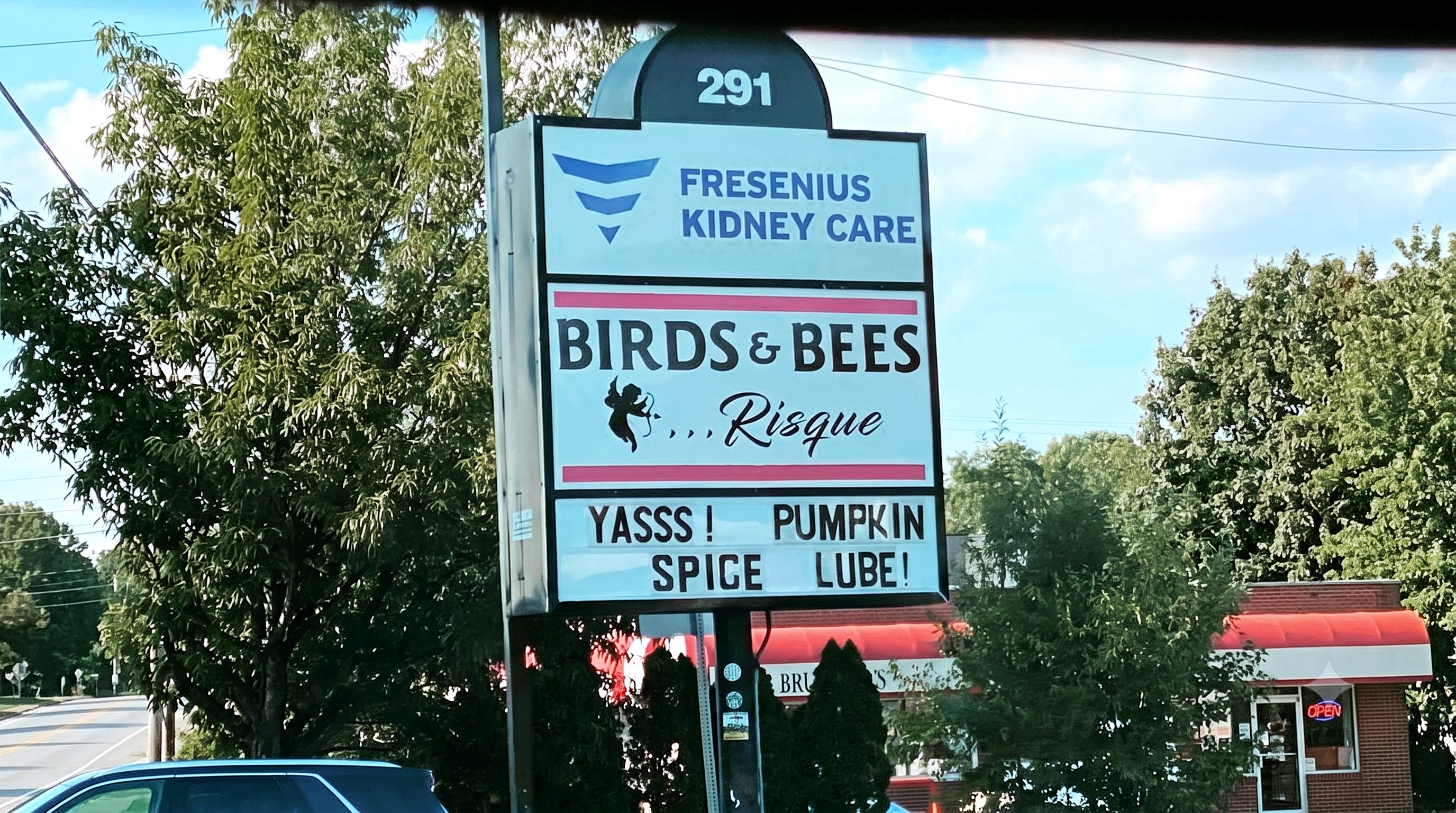
It’s been refreshingly cool in the northeast over the last week or so. So cool that I’ve worn long sleeves on a couple of my morning walks with Benji.
It reminded me of this post from approximately the same time last year. Late June and especially July were brutally hot, but when we moved into August, it turned refreshingly cool and served as a harbinger for very early fall and back-to-school demand.
You can read my take from early August last year here:
The Mid-Summer Cool Snap That’s Accelerating Fall Demand
This weekend’s cool front is a powerful, short-lived signal, but the consumer behaviors it’s driving are a harbinger of a robust season ahead
Over the last week or so here in the western Philly suburbs, the weather has been absolutely beautiful, with low dew points, cool mornings (high 50s, anyone?), and clear blue skies. Literally sweatshirt weather on our morning walks at Struble Trail.
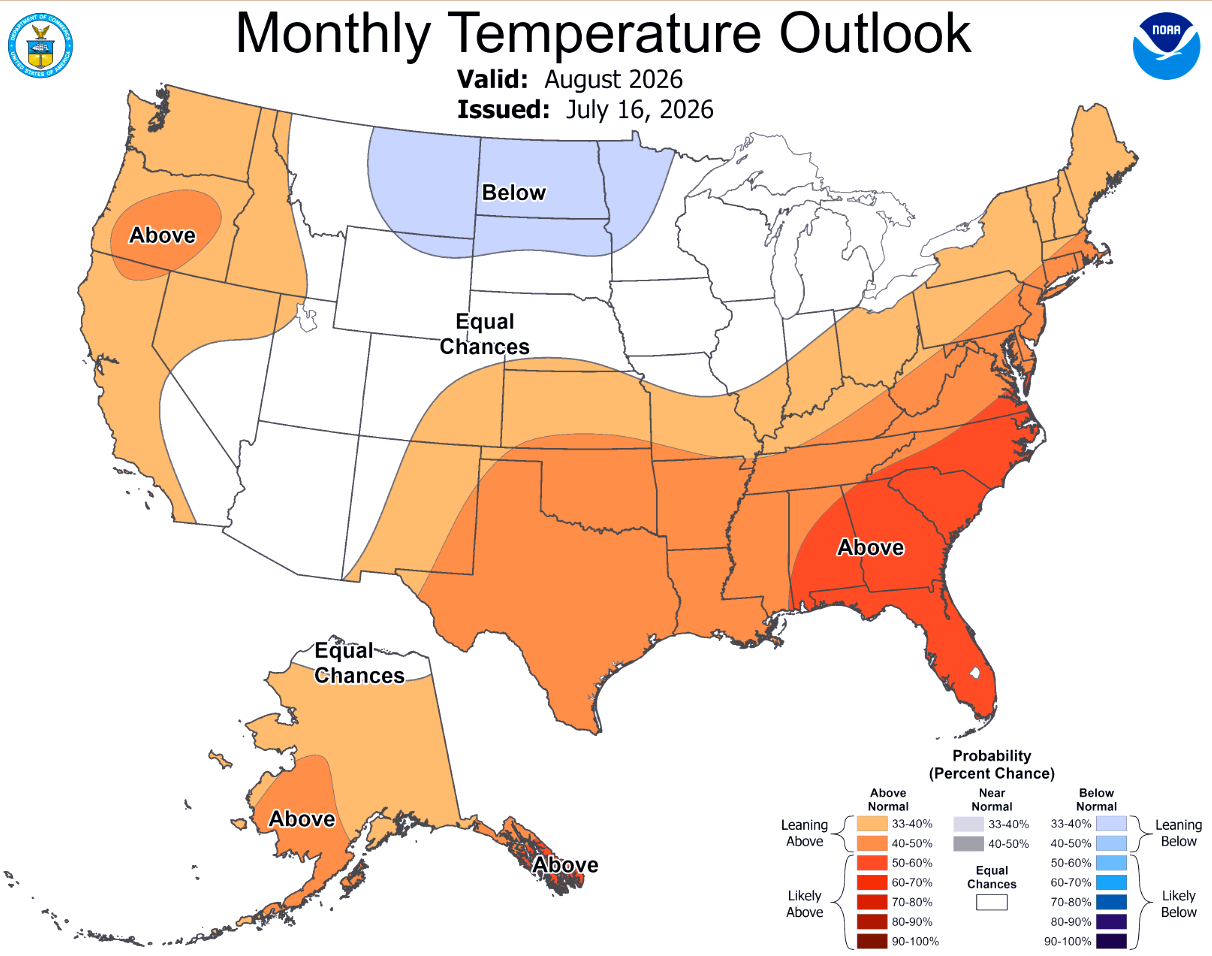
But there’s a difference this year from my bullish take last year on early fall demand—this year’s cool weather in the east is a head fake. Or at least that’s what the National Weather Service says.
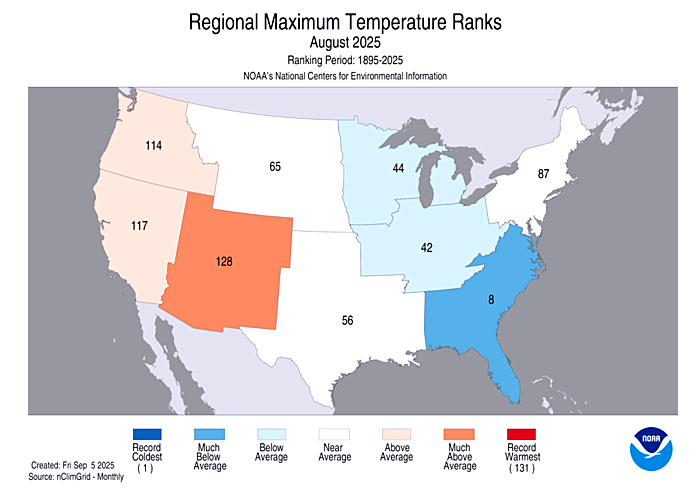
Last August brought relatively normal temperatures in the Northeast (which, given our warming climate and the earlier heat, made it feel “fallish”) and near-record cooler-than-normal temperatures in the Southeast.
This year, there is more heat to come in August, and the probabilities of hotter-than-normal and (much!) hotter-than-last-year temps across the major population centers in the Southeast and Northeast are essentially locked in. You can take it, literally, to the bank
Here’s last year’s ranking from normal …
And this year’s temperature forecast probabilities …
Why the break itself is the risk
There’s a well-established finding in heat epidemiology that the first heat wave of a summer is measurably more dangerous than the ones that follow it. A 43-community U.S. study found mortality rose 5.04% during a summer’s first heat wave, compared with 2.65% during later ones — roughly double the effect, from the exact same temperatures.
The explanation is physiological. Heat tolerance builds with exposure: sweat response improves, cardiac output adjusts.
However, that adaptation doesn’t last. Research on the mechanism describes it decaying within days to weeks once the heat stops.
That’s not a footnote here. It’s close to a description of the exact stretch the East just lived through. A week of relief sits comfortably inside the window where acclimatization built up over three weeks of heat and smoke can meaningfully lapse.
The population heading into August’s forecasted heat hasn’t been resting. It’s been quietly losing ground.
The baseline trap hiding in plain sight
Here’s where this becomes a planning problem, not just a health one.
Go back to last August across the East. The Southeast’s regional temperature rank for August 2025 came in at 8 out of 131 years on record — near-record coldest — a sharp reversal from a record-setting heat dome that hit the East in late June 2025, one large enough that NOAA counted more than 100 million people across 726 counties experiencing record heat in a single stretch.
The Northeast didn’t see the same dramatic swing, but it told the same story in a lower key — an unremarkable, near-average August, ranking 87 out of 131, the kind of month that never registers as an anomaly on anyone’s radar.
Here’s the message underneath both of those numbers: a cold August in the Southeast, especially one that close to a record, is now a genuinely unusual event, not a routine one.
Record daily highs have been outpacing record daily lows nationally by roughly 2 to 1 over the past two decades, and researchers project that ratio could widen to as much as 15 to 1 by the end of the century at the current pace of warming.
In a stable climate, that ratio sits near even. It doesn’t anymore. A month that lands near the cold end of 131 years of records isn’t the new normal reasserting itself — it’s the outlier, made rarer every year by the same warming trend that makes this year’s above-normal outlook the more statistically expected outcome.
Put plainly: last August wasn’t a preview of a cooling trend. It was a low-probability event, in a climate that’s making low-probability cold events rarer every year, sitting right next to a high-probability warm one this year.
Any payer or health system pulling last August as a planning baseline is comparing against an anomaly and calling it a baseline.
Given the odds — above-normal heat forecast against a near-record-cool comparison year — an increase in emergency room visits this August isn’t a surprise to be explained after the fact. It’s the expected outcome.
The same trap, one aisle over
It isn’t just health systems reading last August’s numbers. It’s retail.
Cooling equipment — window units, portable AC, fans — is exactly the kind of weather-sensitive category this newsletter has spent all year tracking on earnings calls.
If large stretches of the East came in near-record cold or just quietly average last August, it’s a reasonable bet that cooling-equipment sell-through across the region came in soft right alongside it, the same demand collapse playing out in a different aisle. The retail version of this trap is arguably worse, because a retailer can’t fix it in real time.
A healthcare payer can redirect outreach within days using technologies like ERaaS Health's (I'm an advisor), which moved from data to member outreach in under 24 hours during last summer's heat events.
A retailer's regional inventory position for August was locked in months ago, against a sales plan built substantially on trailing comps.
If last year’s soft Eastern numbers shaped this year’s allocation or reorder points, and the region snaps back to above-normal heat as forecast, the lead time on a window AC unit doesn’t bend to match a forecast that changed after the purchase order was already cut.
That’s how a soft sales miss becomes an actual stockout, timed to arrive exactly when demand spikes.
Same mistake, same population, twice
Both traps come from the identical error: reading a mild year as the trend instead of the anomaly. And they don’t stay separate. A stockout on window units isn’t just a missed sale. It’s a household without functioning cooling during a heat event that historical comps said wouldn’t be unusual — the same population a health system’s (potentially) under-staffed outreach program was also least prepared to reach.
The huge risk is that last year was (relatively) cool, and cool is getting statistically rarer every year the climate keeps warming. Anyone planning around last August is planning around the exception, not the rule.
Musical Coda
© 2026 G2 Weather Intelligence. All rights reserved.